Giriş
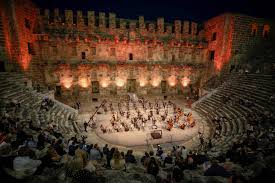
Aspendos Tiyatrosu, antik dünyanın günümüze en sağlam ve en bütünlüklü biçimde ulaşmış Roma tiyatrosu olma onurunu taşımaktadır. Antalya'nın Serik ilçesine bağlı Belkıs köyü yakınlarında, Köprüçay (antik adıyla Eurymedon) ırmağının verimli ovalarına hakim bir tepede yükselen bu anıtsal yapı, geçen yaklaşık iki bin yılda kendinden sonra gelen tüm mimarları, mühendisleri ve sanat insanlarını derinden etkilemiştir. GünümüzdeNowadays hâlâ aktif olarak konser, opera ve festival mekanı olarak kullanılabilen bu tiyatro, Roma medeniyetinin mimari dehasını ve estetik anlayışını en çarpıcı biçimde yansıtan eserler arasında yer almaktadır. Ancient Symphonia'nın Antalya durağında bu eşsiz yapı, zamana meydan okuyan direnişiyle sahneye ev sahipliği yapacaktır.
TarihHistoryHistory ve İnşa SüreciHistory & Construction
Aspendos Tiyatrosu, M.S. 155 ile 162 yılları arasında, Roma İmparatoru Marcus Aurelius döneminde inşa edilmiştir. Yapının mimarı, oğlu Theodoros ile birlikte çalışan Zeno adlı yerel bir mimardır. Bu bilgi, sahne binasının arka duvarında hâlâ okunabilir durumda olan bir kitabeden öğrenilmektedir; söz konusu kitabe, tiyatronun Aspendos'lu iki kardeş, Curtius Crispinus ve Curtius Auspicatus tarafından şehre armağan edildiğini de belgelemektedir. İnşaat, kentin zirveye ulaştığı bir dönemde gerçekleşmiş; Aspendos, zengin tarım arazileri, stratejik konumu ve köklü ticaret gelenekleriyle bölgenin en müreffeh kentlerinden biri olmuştu. Tiyatronun yapımında kullanılan yüksek kaliteli kesme taş ve mermer, bu dönemin ekonomik gücünü ve sanatsal özgüvenini açıkça gözler önüne sermektedir.
MimariArchitecture Mükemmellik ve KorunmuşlukArchitectural Excellence & Preservation
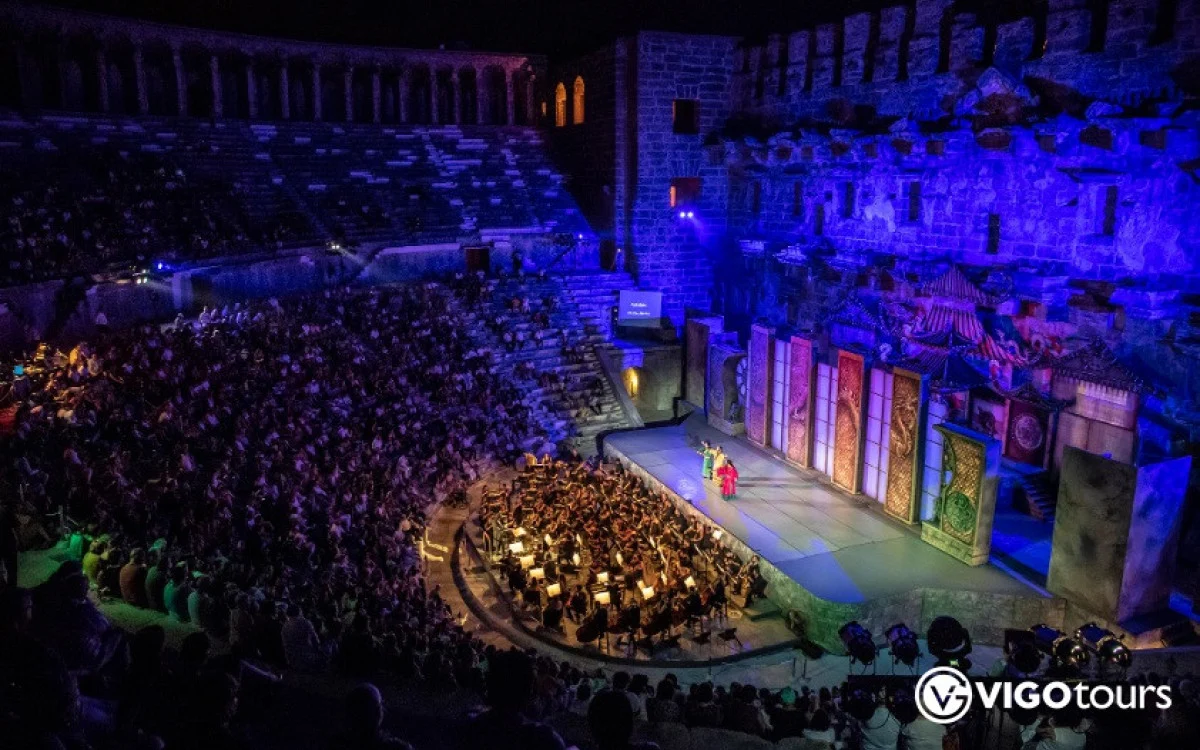
Aspendos Tiyatrosu'nun bugüne bu denli sağlam ulaşabilmesinin ardında birkaç temel etken yatmaktadır. Her şeyden önce, Selçuklu döneminde tiyatro bir saray ve kervansaray olarak kullanılmış, bu da yapının defalarca tamir görmesini ve ayakta tutulmasını sağlamıştır. Skene (sahne binası), antik bir tiyatroda bu denli yüksek ve bütünlüklü biçimde ayakta kalan nadir örneklerden biridir; ön cephesi, üst kat pencereleri, sütun başlıkları ve işlemeli frizleriyle Roma mimarisinin şaşırtıcı bir kataloğu niteliğindedir. Cavea (oturma alanı) ise kavisli yapısını büyük ölçüde koruyarak 15.000 seyirciye ev sahipliği yapabilmektedir. Tiyatronun sahne duvarı, seyirciye dönük yüzünde beş kapı, sütunlu bir galerileri ve bol miktarda mermer kaplamayla bezeli anıtsal bir dekor sunmaktaydı. Kemer sistemi ve taş işçiliği, Roma inşaat mühendisliğinin dönemin dünyasındaki olağanüstü yerini bir kez daha kanıtlamaktadır.
AntikAncient DönemAncient Periodde Aspendos ve Tiyatronun RolüAspendos in Ancient Times
Aspendos, antik çağda Pamphylia bölgesinin (günümüz Antalya ili) en önemli kentlerinden biriydi. Kentin adı, Yunanca'da "deniz kıyısına yakın" anlamına gelen "Estwedis" sözcüğünden türetilmiştir. M.Ö. 5. yüzyılda kendi adına para bastıracak kadar güçlü olan Aspendos, büyük bir deniz ve kara ticareti merkezi olarak parlak bir dönem yaşamıştır. Tiyatro, şehir yaşamının tam göbeğinde yer alıyordu; Dionysos şerefleri, devlet törenleri, şiir yarışmaları ve gladyatör müsabakaları bu mekânda büyük halk kitleleri tarafından izleniyordu. Kentin Agora'sı, Nymphaeum (çeşmesi), Bazilikaları ve köprüsüyle birlikte tiyatro, Aspendos'un mükemmel bir kent planlamasının ürünü olduğunu kanıtlamaktadır.
Keşif ve RestorasyonRestorationExploration & Restoration
Aspendos Tiyatrosu, Avrupalı seyyahlar tarafından 17. yüzyılda yeniden keşfedilmiştir; ancak TürGenrek halkı bu yapıyı hiçbir zaman unutmamıştır. 19. yüzyılda gerçekleştirilen sistematik arkeolojik çalışmalar, yapının büyüklüğünü ve önemini dünya kamuoyuna duyurmuştur. 20. yüzyıl başlarında Atatürk, tiyatronun gördüğü restore çalışmalarından etkilenmiş ve burada sergilenen bir oyunu izlemiştir. TürkiyeTurkey, 1994 yılından itibaren düzenli olarak Aspendos Uluslararası Opera ve Bale FestivalFestivali'ne ev sahipliği yapmaktadır; bu etkinlik, dünyaca ünlü sanatçıları kadim taşların önünde bir araya getiren prestijli bir platform hâline gelmiştir. Yapı üzerinde sürdürülen restorasyon ve belgeleme çalışmaları, tiyatronun hem araştırmacılar hem de ziyaretçiler için erişilebilir olmasını sağlamaktadır.
AkustikAcoustics ve Sahne Estetiği
Aspendos'un olağanüstü akustiği, mimarinin başlı başına bir mucizesidir. Fısıltı hâlindeki bir sesin dahi orkestranın ortasından en üst oturma sıralarına kadar iletilebildiği bu mekânda, elektroakustik sistemlere gerek duyulmaksızın devasa bir kalabalığa doğal ses aktarımı sağlanabilmektedir. Bu akustik özellik, Roma'nın yüksek şehir planlamasının ve mühendislik anlayışının ne denli ilerici olduğunu açıkça göstermektedir. Cavea ile skene arasındaki orantılı mesafe, yansıma açıları ve malzeme seçimi, modern akustik fizik kurallarıyla uyuşmaktadır. Bu nedenle Aspendos, dünyanın en iyi salaşansız doğal akustik ortamlarından biri olarak müzisyenler ve yapı akustiği uzmanları tarafından sıkça incelenmektedir.
Ancient Symphonia'daki RolüRole in Ancient Symphonia
Ancient Symphonia projesinin Antalya durağı olan Aspendos Tiyatrosu'nda Alessandro Safina ve Cecilia Krull, Roma'nın taşlarını iki bin yıl sonra yeniden müzikle titreştirecektir. SenfoniSymphony OrkestraOrchestrası'nın görkemli çalgı sesleri, skene'nin mermer sütunlarına yansıyarak seyircilere eşsiz bir stereofonik deneyim sunacaktır. Bu konserde antik dünya ile çağdaş sanatın buluşması; tarihin en derin katmanlarından süzülen bir büyü yaratacak, her notada geçmişin tinselliği ile bugünün duygusallığı iç içe geçecektir. Aspendos'un doğal akustiği, herhangi bir ses sistemi olmaksızın bir senfoninin bütün inceliklerini en üst sıraya dahi taşıyacak; bu olağanüstü deneyim, dinleyicilerin zihinlerine ve yüreklerine silinmez izler bırakacaktır.
Introduction
The Theatre of Aspendos holds the distinguished honor of being the best-preserved Roman theatre in the ancient world still standing today. Perched on a hilltop commanding the fertile plains of the Köprüçay (ancient Eurymedon) river, near the village of Belkıs in the Serik district of Antalya, this monumental structure has inspired architects, engineers, and artists across the centuries. Remarkably, it remains actively used as a concert, opera, and festival venue to this day—a true living monument that embodies the architectural genius and aesthetic sensibility of Roman civilization. As the Antalya stop of the Ancient Symphonia project, this timeless structure will once again resonate with music and life.
History and Construction
The Theatre of Aspendos was constructed between 155 and 162 AD during the reign of Roman Emperor Marcus Aurelius. Its architect was a local master named Zeno, working alongside his son Theodoros—a fact preserved in a dedicatory inscription still legible on the rear wall of the stage building. This inscription also records that the theatre was gifted to the city by two brothers from Aspendos, Curtius Crispinus and Curtius Auspicatus. Construction took place at a peak moment in the city's history: Aspendos flourished as one of the most prosperous cities of the Pamphylia region thanks to its fertile agricultural land, strategic location along key trade routes, and a robust commercial tradition. The high-quality ashlar masonry and marble employed in the theatre's construction reflect the economic strength and artistic confidence of this era.
Architectural Excellence and Preservation
Several key factors underlie Aspendos Theatre's exceptional state of preservation. During the Seljuk period, the theatre was repurposed as a palace and caravanserai, which necessitated repeated maintenance and kept the structure intact. The skene (stage building) is one of the rarest examples in the ancient world where the upper levels survive so completely—its facade, upper-story windows, column capitals, and ornate friezes constitute a remarkable catalog of Roman decorative architecture. The cavea (auditorium) has retained its curved form and can still accommodate approximately 15,000 spectators. The stage wall presented a magnificent scenic backdrop with five doorways, colonnaded galleries, and extensive marble cladding facing the audience. The theatre's sophisticated arched system and stone craftsmanship once again demonstrate the extraordinary status of Roman civil engineering in the ancient world.
Aspendos in Antiquity and the Theatre's Role
In antiquity, Aspendos was one of the most important cities in the Pamphylia region (modern Antalya province). The city's name derives from the Greek "Estwedis," meaning "close to the sea." By the 5th century BC, Aspendos was prosperous enough to mint its own coins and served as a major hub for maritime and overland trade. The theatre stood at the very heart of city life; Dionysian festivals, state ceremonies, poetry competitions, and gladiatorial contests were witnessed by vast crowds in this space. Together with the city's Agora, Nymphaeum, basilicas, and aqueduct bridge, the theatre demonstrates that Aspendos was the product of a masterful and comprehensive urban planning tradition.
Discovery and Restoration
The Theatre of Aspendos was rediscovered by European travellers in the 17th century, though it had never been forgotten by the local Turkish population. Systematic archaeological investigation in the 19th century brought the scale and importance of the structure to global attention. In the early 20th century, Atatürk was reportedly so impressed with the theatre's restoration that he attended a performance held within its ancient walls. Since 1994, Turkey has regularly hosted the Aspendos International Opera and Ballet FestivalFestival, which has become a prestigious platform bringing world-class artists together before the ancient stones. Ongoing restoration and documentation efforts ensure the theatre remains accessible to both scholars and visitors.
Acoustics and Stage Aesthetics
The extraordinary acoustics of Aspendos are a miracle of architecture in their own right. In this space, a whisper from the center of the orchestra can be heard all the way to the uppermost seating row without any electronic amplification—achieving a natural sound transmission to a vast audience that modern systems struggle to replicate. This acoustic property clearly demonstrates how progressive Roman high urban planning and engineering truly were. The proportional distance between the cavea and the skene, the angles of reflection, and the choice of materials are entirely consistent with the laws of modern acoustic physics. For this reason, Aspendos is frequently studied by musicians and architectural acoustics experts as one of the finest unamplified natural acoustic environments in the world.
Role in Ancient Symphonia
At the Antalya stop of the Ancient Symphonia project, Alessandro Safina and Cecilia Krull will cause the stones of Rome to vibrate with music once again, two thousand years on. The magnificent sounds of the Presidential Symphony Orchestra will reflect off the marble columns of the skene, delivering a unique stereophonic experience to the audience. The convergence of the ancient world and contemporary art at this concert will conjure a magic distilled from history's deepest layers; in every note, the spirituality of the past and the emotion of the present will intertwine. Aspendos's natural acoustics will carry every nuance of a symphony to the very top row without any sound system—and this extraordinary experience will leave an indelible mark on the minds and hearts of all who attend.
Mekan Galerisi Venue Gallery
.jpeg)